
A Dive into the World of Smart Homes

In the ever-evolving landscape of technology, one of the most exciting frontiers is the advent of smart homes. What once seemed like a concept straight out of science fiction is now becoming increasingly commonplace in households around the world. From thermostats that learn your preferred temperature settings to voice-activated assistants that control your lights, the possibilities of smart home technology are vast and continually expanding.
At its core, a smart home is a residence that utilizes interconnected devices and systems to enhance convenience, comfort, security, and energy efficiency. These devices can range from simple gadgets like smart plugs and light bulbs to sophisticated systems that manage entire home environments. With the rapid advancement of the Internet of Things (IoT) technology, smart homes are becoming more accessible and affordable than ever before.
One of the primary benefits of a smart home is automation
Imagine waking up to the gentle glow of your bedroom lights gradually increasing in brightness, simulating a sunrise to help you wake up naturally. As you head downstairs, your coffee maker starts brewing your favorite blend at the perfect time, and your smart thermostat adjusts the temperature to your liking. These conveniences may seem minor individually, but collectively they streamline your morning routine and make your day start on the right foot.
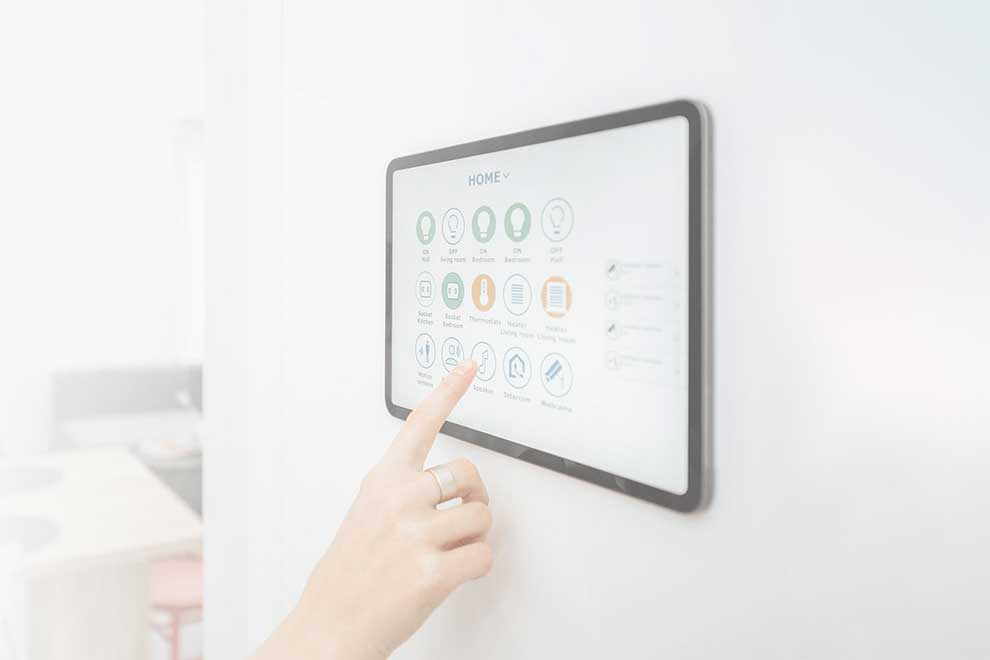
Moreover, smart home technology offers unparalleled control and customization. Through smartphone apps or voice commands, homeowners can remotely monitor and adjust various aspects of their homes from anywhere in the world. Forgot to turn off the lights before leaving for vacation? No problem; a few taps on your phone, and you can ensure that your home is energy-efficient and secure, even when you’re miles away.
Security is another significant aspect of smart homes
Advanced security systems equipped with cameras, motion sensors, and smart locks provide homeowners with real-time monitoring and alerts. Whether you’re at work or on vacation, you can keep an eye on your property and receive instant notifications of any unusual activity. In the event of a break-in or emergency, these systems can automatically contact authorities, providing peace of mind and an added layer of protection for your family and belongings.

Here are some key aspects of smart home security
1. Physical Security
- Smart Locks
- Surveillance Cameras
- Motion Sensors
- Smart Doorbells
- Alarm Systems
2. Integration and Automation
- Centralized Control
- Automated Responses
3. Cybersecurity
- Device Authentication
- Data Privacy
- User Awareness
A smart home hub or app can centralize control, allowing users to manage all security devices from a single interface. Integration with voice assistants (like Amazon Alexa, Google Assistant) can add convenience but also requires secure configurations to prevent unauthorized commands.
Energy efficiency is also a key feature of smart homes
By integrating smart thermostats, lighting controls, and energy monitoring devices, homeowners can optimize their energy usage and reduce utility bills. These systems can learn your habits and preferences over time, automatically adjusting settings to minimize energy waste without sacrificing comfort. From scheduling lights to turn off when not in use to optimizing heating and cooling based on occupancy patterns, smart homes empower residents to make eco-friendly choices effortlessly.
Here are some key aspects of how smart homes enhance energy efficiency
1. Smart Thermostats
- Learning Capabilities
- Remote Control
- Energy Usage Insights
2. Smart Lighting
- Automated Lighting
- Dimming and Color Adjustments
- Remote Control and Voice Commands
3. Smart Plugs and Outlets
- Energy Monitoring
- Automated Control
4. Smart Appliances
- Energy-Efficient Operation
- Alerts and Maintenance

Energy-efficient features like smart thermostats, lighting, and appliances optimize energy use and reduce costs. Security systems, including smart locks, cameras, and alarms, provide comprehensive protection against physical and cyber threats. Together, these technologies create a safer, more efficient living environment, offering convenience, peace of mind, and financial savings
Ready to upgrade your space?
Tell us what you need — we design, install, and support it.